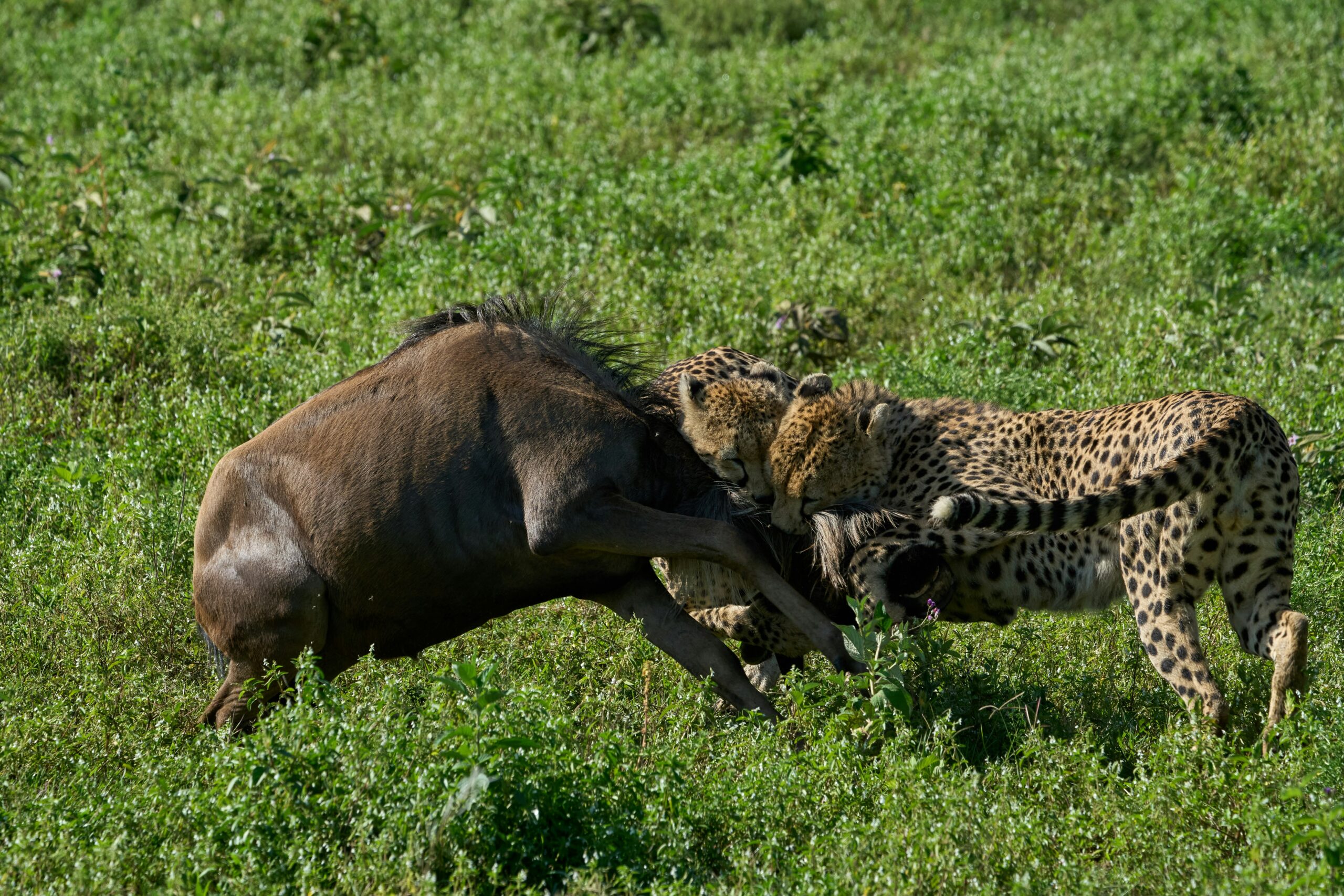
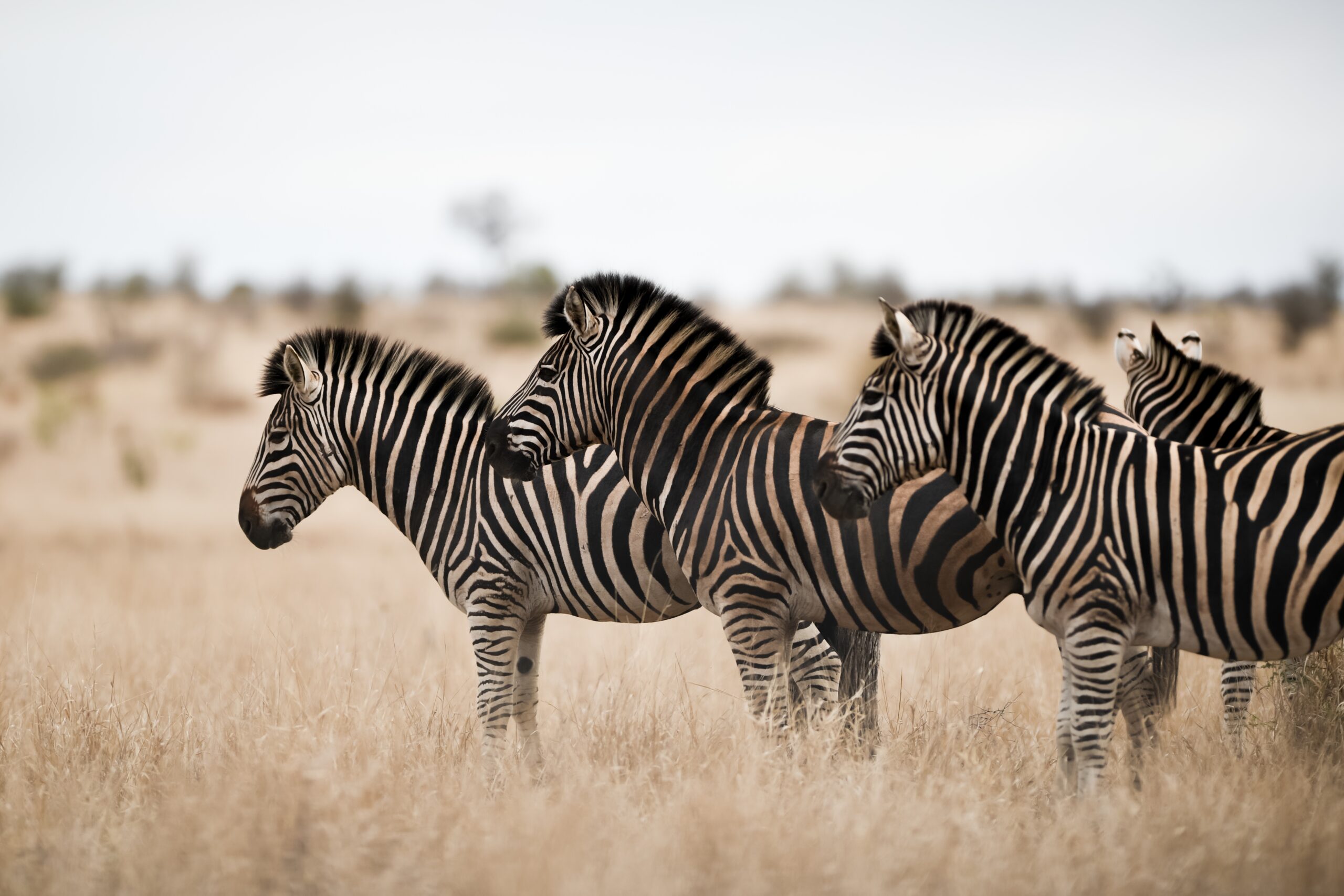
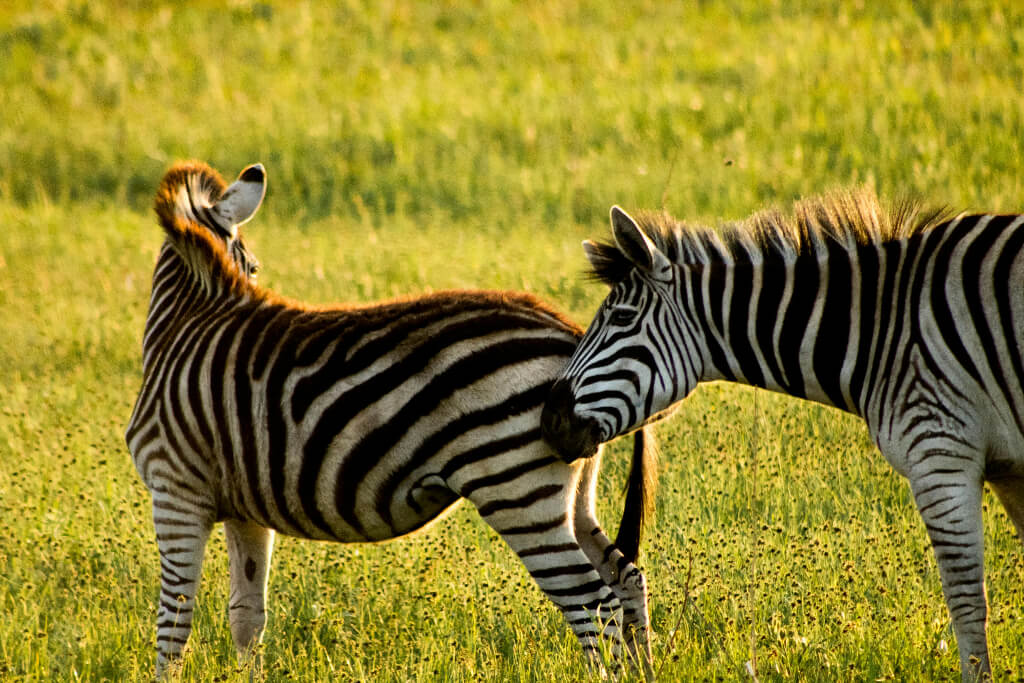
5 Day Ndutu Calving Season Serengeti Migration Tanzania Safari. On this 5-day safari, the great migrating herds of wildebeests and zebras are situated at Lake Ndutu which is found in the Ngorongoro conservation area and a part of the Serengeti eco-system and our main target is from Dec to March. From January it is the best time to witness the calving as they spread out across the short-grass plains and predators are just around waiting for their opportunities to make a hunt. You will experience both Tarangire, South Serengeti, Ngorongoro crater
5 Day Ndutu Calving Season Serengeti Migration Tanzania Safari
Day 1 :
Arrival in Arusha
You will be picked up from the airport by Uprise Africa representative and conveyed to your accommodation in Arusha where you will overnight, relax, and prepare in anticipation of the adventures to come.
Day 2 :
Arusha to Tarangire National Park
In the morning you will be collected from your lodgings in Arusha by our safari guide. We set out for Tarangire National Park on a good tarmac road across gently rolling Maasai plains with scattered acacia trees. As we zip along we pass many Maasai in their colorful dress walking on the roadside, riding bicycles, herding cattle, and driving donkey’s carts. Tarangire National Park, well known for its large elephant herds, is also host to a multitude of other creatures. From the open roof of our state-of-the-art safari jeep, we experience the seasonal swamps, savanna and I life-giving Tarangire River, endeavoring to encounter a multitude of creatures, from zebra to wildebeest, buffalo, elephant, and giraffe, to name a few. We may glimpse lion stalking prey or leopards watching, relaxing in the trees above. After our extensive game drive experiencing the varied sights and sounds of the wilderness, we drive to your accommodation for dinner overnight.
After breakfast, we will head to the Lake Ndutu region, situated in the Ngorongoro Conservation Area, a sublime landscape of the southern Serengeti ecosystem. The drive takes approximately 3 hrs, taking us across the beautiful landscape of The Rift Valley Lake Ndutu, alkaline like most of the other Rift Valley is frequently inhabited by a wide array of wildlife. with appetites sated, undertake our game drive in the Ndutu region. The majority of the wildebeest migration can normally be found on the short-grass plains from December to April. After the late afternoon game drive, you will drive to your accommodation for dinner and overnight.
After our hearty breakfast, we head out to enjoy a full day game drive in the Ndutu region. We endeavor to explore the range of different habitats found here that include swamps, woodland, soda lakes, and the world-famous Serengeti short grass plains. We will see the awesome sight of the great thronging herds of wildebeest and zebra. During a short time frame around January, normally lasting for about 3 weeks, the majority of the wildebeest calves, dropping in the region of half a million young in this awesome act of synchronized birthing. The sea of grass provides little cover and the young Wildebeest calves can run minutes after they are born and within 3 days they are normally strong enough to keep up with the herd. As our full day of adventure upon the ‘Endless Plain,’ we depart to our accommodation for dinner and Overnight.
After breakfast, you will drive from Southern Serengeti ( Ndutu) to the Ngorongoro Crater.
When you first see Ngorongoro Crater, it looks like a forgotten world. Concealed by the steep volcanic walls is a pristine wilderness including sweeping savannah, pockets of acacia woodland, and glistening lakes and swamps. The Crater was created when a large volcano exploded and collapsed in on itself two to three million years ago.
The drive down the into the Crater is an adventure in itself and when you reach the Crater floor, you quickly find yourself amongst large numbers of wildebeest, zebra, gazelle, and more than 500 bird species. The Crater provides you with the best chance of seeing the endangered black rhino, which can sometimes be spotted in the open grasslands.
After a full afternoon inside the Crater, you will head to Arusha
Cost
The Cost Includes
All Game Drives; Vehicle; Park Entry Fees;
All Accommodation as per itinerary
English Speaking Driver/Guide;
3 meals a day
Drinking Water;
18% VAT Tax;
At Least 1 Pair of Binoculars;
Accommodation in Arusha;
Airport Transfers;
The Cost Excludes
Tipping for your driver/guide
Tipping for your cook
Drinks (unless specified)
Visas & vaccinations
Spending money
All About Your Trek
Embark on an exhilarating trekking journey that immerses you in the pristine beauty of nature and the rich cultural heritage of the region. This trek offers a perfect blend of adventure, breathtaking scenery, and meaningful local encounters, making it an ideal choice for those seeking to connect deeply with the environment and people.
Route & Terrain: The trek covers a diverse landscape, ranging from dense forests and terraced fields to rocky mountain paths and high-altitude meadows. You’ll traverse well-marked trails that challenge your endurance while rewarding you with spectacular panoramic views. Some sections may involve steep ascents and descents, so a good level of physical fitness and stamina is recommended.
Duration & Pace: This trek typically lasts [X days], allowing you to enjoy a balanced pace that combines daily trekking with time to rest and explore local villages. Each day’s walk averages between 4 to 7 hours, giving you ample opportunity to soak in the scenery and capture stunning photographs.
Accommodation & Facilities: Overnight stays are arranged in traditional teahouses or mountain lodges, offering basic yet comfortable amenities. These cozy accommodations provide a chance to experience the warmth of local hospitality, enjoy hearty home-cooked meals, and recharge for the next day’s trek.
Cultural Experience: Beyond the natural beauty, this trek provides a unique window into the life of indigenous communities. You’ll meet friendly locals, learn about their customs, traditions, and way of life, and perhaps even participate in cultural activities or festivals depending on the timing of your visit.
Best Time to Visit: The optimal trekking seasons are during the spring months of March to May and the autumn months of September to November. During these periods, the weather is generally clear and stable, with moderate temperatures and minimal rainfall, ensuring safer trekking conditions and breathtaking visibility.
Preparation & Packing Tips: To make the most of your trek, pack wisely. Essential items include sturdy trekking boots, layered clothing for fluctuating temperatures, rain gear, sun protection such as hats and sunscreen, a reusable water bottle, and personal medication. It’s advisable to keep your backpack light and prioritize comfort and functionality.
Health & Safety: Your safety is our utmost priority. The trek is guided by experienced professionals who are well-versed in mountain safety and first aid. They continuously monitor weather and trail conditions to ensure a secure experience. Remember to stay hydrated, pace yourself, and communicate any discomfort to your guide immediately.
Environmental Responsibility: We encourage all trekkers to practice responsible tourism by minimizing waste, respecting wildlife, and preserving the natural environment. Carry out all trash, avoid disturbing flora and fauna, and support local conservation efforts by purchasing souvenirs directly from artisans.
Additional Support: Should you have any specific requirements or need assistance in planning your trek, our team is available to provide personalized advice and support. We also offer options for porter services or mule assistance to help carry your luggage, making your trek more comfortable.